



Common Gym Mistakes Beginners Make in January (and How to Avoid Them)
The seasonal mistakes that derail most January gym beginners — unrealistic goals, overtraining, rushed form — and the practical fixes that keep you training past February.
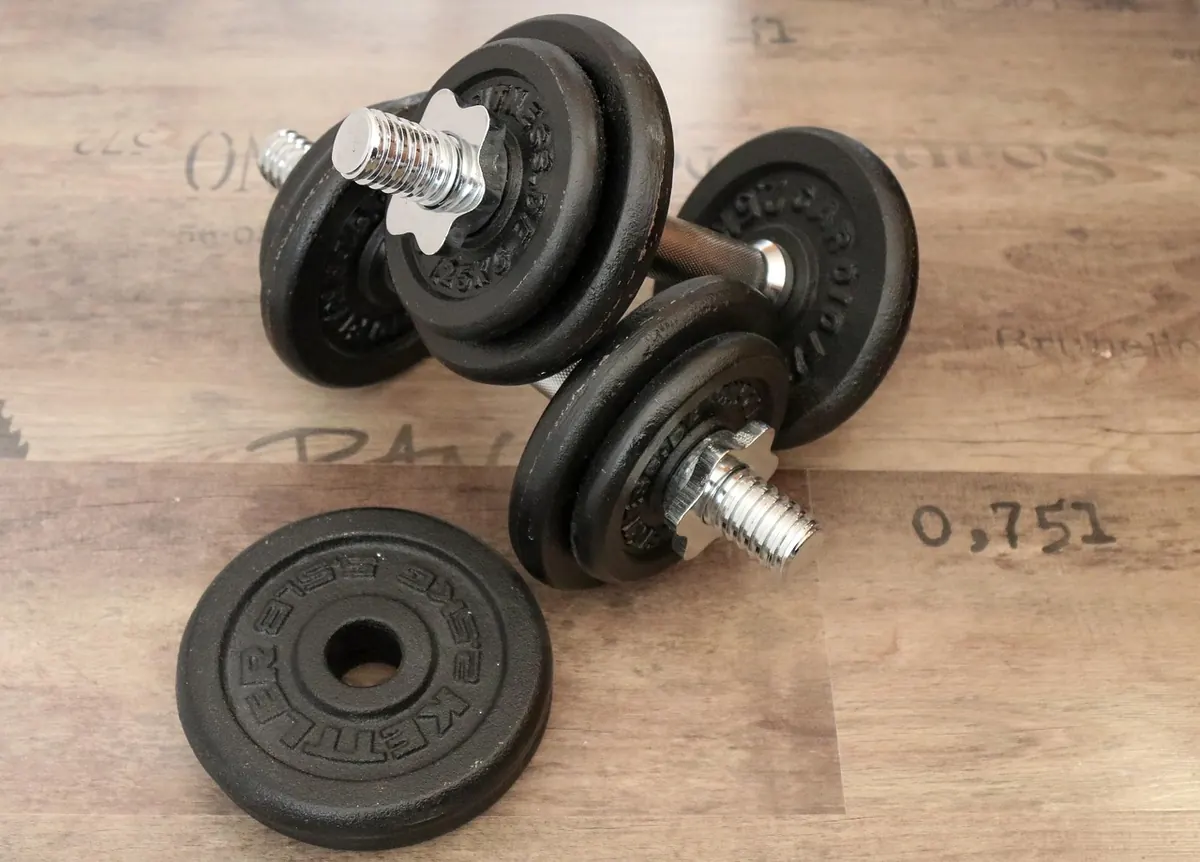
January is a generous month. Gyms are busy, classes are full, and good intentions are everywhere. It is also the month when more newcomers pick up an injury, burn out or quietly stop going than at any other point in the year. That is rarely down to laziness. It is usually because the first few weeks are built on enthusiasm rather than a plan, and enthusiasm has a habit of overshooting. The mistakes below catch out almost every beginner at some point in January. The fixes are straightforward, and none of them involve training less than you want to.
Chasing a result instead of building a habit
Most January goals sound like this: lose a stone by March, or train six days a week. Both are specific, and both are hard to control. The scale moves for reasons that have little to do with how hard you worked, and six sessions a week is a huge jump from none. When the number refuses to budge in week three, the whole plan starts to feel like a failure.
Behaviour goals work better, because you can always control whether you turned up.
- Instead of “lose half a stone”, try “two or three sessions a week for the next eight weeks”.
- Instead of “get fit”, try “walk on the days I don’t train”.
- Instead of “eat better”, try “protein with breakfast and vegetables with dinner”.
Choose a target you could still hit on your worst week. If a plan only works when you sleep well, eat perfectly and leave work on time, it isn’t a plan. It’s a wish.
Doing too much, too soon
The classic January pattern goes like this: one enormous session on Monday, soreness so deep by Wednesday that stairs require a handrail, then nothing for a fortnight. Muscle soreness is not a scoreboard. It tells you that you did something unfamiliar, not that you did something useful.
A first session should end with you feeling as though you could have managed a few more repetitions. That is not a lack of effort; it is good pacing. Start with two or three sessions a week, and for the first fortnight leave two or three reps in reserve on every set. Add a little each week — one extra set, a small increase in weight, an extra few minutes — rather than doubling everything at once. Your joints, tendons and nervous system adapt more slowly than your motivation does, and they are the parts that tend to complain loudest.
Letting form slide so you can lift more
Weights feel like progress. Good technique feels like fussing. In January, technique loses that argument far too often, and the results show up in lower backs and shoulders by February.
- Rounding the spine when lifting from the floor, instead of hinging at the hips and keeping a neutral back.
- Letting the knees collapse inwards during squats, lunges and step-ups.
- Bouncing a bar off the chest, or lowering it to a depth your shoulders clearly dislike.
- Swinging the weight up with momentum on curls and lateral raises.
- Cutting reps short because the weight is too heavy to move through a full range.
- Holding your breath through the hardest part of a lift rather than breathing steadily.
The fix is unglamorous and effective: reduce the weight by around a fifth, slow the lowering phase to two or three seconds, and film one set from the side. Most phones will show you what no mirror can. If you are unsure, book a gym induction or a session with a qualified instructor — an hour of coaching in January saves months of nagging niggles.
Warm up, cool down, and don’t skip either
Five minutes of easy cardio and a couple of light rehearsal sets of whatever you’re about to lift will make your first working set feel considerably less shocking. Afterwards, five minutes of easy movement and relaxed breathing is plenty. Save the deep stretching for a separate, warmer moment — yanking cold muscles into a long hamstring stretch straight after a run is a good way to feel worse, not better.
Wandering between machines with no plan
Twenty minutes on whatever is free, a few curls, then home. It’s easy to do and almost impossible to progress.
Two or three full-body sessions a week will serve a beginner better than any split routine. Cover the basic patterns: a squat or leg press, a hip hinge such as a Romanian deadlift or hip thrust, a push, a pull, and something for the core or a loaded carry. Two to three sets of eight to twelve reps is a sensible default. Write down what you did — weight, reps, how it felt. Next week, beat one number. That’s the whole method.
Forgetting that recovery happens outside the gym
Training is the stimulus; sleep, food and rest are where the change actually occurs. If you are training hard, sleeping five hours and eating lunch from a vending machine, more sessions will not fix it. Aim for regular sleep, a source of protein at each meal, enough water, and at least one full rest day a week.
Rest days are not lost days. They are the part of the programme where your body catches up with your ambition. If soreness is lingering for days, appetite and mood have dropped, or your performance is going backwards, that is your cue to take an extra easy day rather than push through.
Your first eight weeks: a simple plan that holds
- Book an induction or ask staff to check your technique on the main lifts.
- Train two or three times a week, with a rest day in between where you can.
- Warm up for five minutes, then work through five or six exercises, two to three sets each.
- Leave a rep or two in the tank on most sets, especially for the first fortnight.
- Log every session, and aim to add a small amount each week.
- Review at four weeks. If you have missed sessions, cut the plan down rather than abandoning it.
January is a poor test of character and a good time to build a routine that survives February. Turn up, do a bit less than you think you should, and keep doing it. If you have an existing injury, a long-term health condition, are pregnant, or are returning after a lengthy break, speak to your GP, a physiotherapist or another qualified professional before you start — and get personalised nutrition advice from a registered dietitian if you are making significant changes to how you eat.
Photo: TomCam / Pixabay